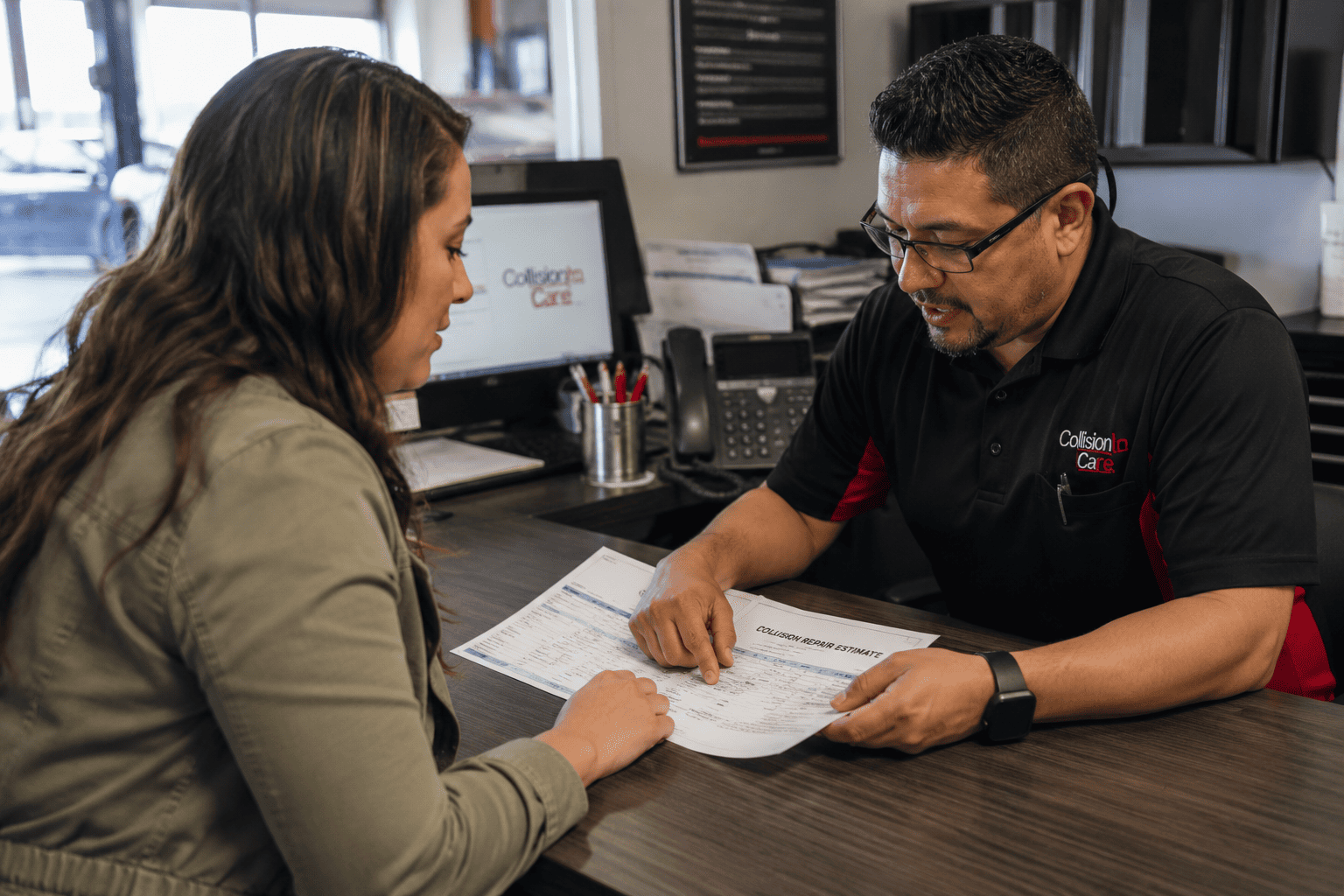
Collision repair estimates often look more final than they really are. After an accident, vehicle owners may assume the first number they receive covers everything the repair will require. In many cases, that initial estimate is only the starting point.
This creates confusion for drivers who are already dealing with stress, transportation issues, and claim paperwork. If the repair plan changes later, it can feel unexpected even when it is a normal part of the process. Understanding how estimates work helps vehicle owners ask better questions and feel more prepared.
The First Estimate May Be Based on Visible Damage
An estimate written early in the process is often based on what can be seen before full disassembly. That means surface damage, panel condition, and clearly visible parts may be included first. Once technicians begin work, hidden issues behind the damaged area can become easier to identify.
This is one reason the original estimate is not always the final repair cost. A supplement may be needed to account for newly discovered damage or additional parts and labor connected to the collision. That does not automatically mean something went wrong. It usually reflects a more complete picture of the repair.
What Supplements Actually Mean
Hidden Damage Discoveries
Behind a damaged bumper, fender, or quarter panel, there may be structural supports, mounting components, sensors, or alignment issues that were not obvious at first glance. Those items often cannot be confirmed until the repair team has access to the area. When that happens, the estimate is updated through a supplement.
Changes in Repair Scope
Sometimes the decision between repairing and replacing a part changes after closer inspection. A panel that looked repairable at first may have more distortion or cracking than expected. The updated scope reflects what is needed to complete the repair responsibly.
Questions Vehicle Owners Should Ask
Drivers do not need to become claim experts, but a few practical questions can make the process clearer. Ask whether the estimate is preliminary, whether additional damage could appear during teardown, and how supplements are communicated. Those questions help set expectations before the work is too far along.
It is also helpful to ask how repair updates will be shared and whether delays could occur due to parts availability or added damage findings. That kind of transparency supports better planning for transportation and scheduling. It also reduces the frustration that comes from assuming the first estimate is a fixed final number.
A Better Understanding Leads to Better Decisions
Collision repair estimates are an important part of the process, but they are not always complete on day one. When vehicle owners understand supplements, hidden damage discoveries, and estimate revisions, they are in a stronger position to follow the repair with confidence. Clear communication helps the process feel less confusing from start to finish.
Bring Your Car’s Paint Back to Life with Inland Empire Autobody & Paint
Whether it’s fading, peeling, or scratches, our expert team is here to restore your car’s appearance and protect its value. Visit us at either of our convenient locations in Riverside or Moreno Valley, CA, and get your free estimate today.
📞 Riverside: (951) 637-1365 | 📞 Moreno Valley: (951) 465-7350
📧 Email us at info@ieabp.com — let’s get your car looking like new again.