
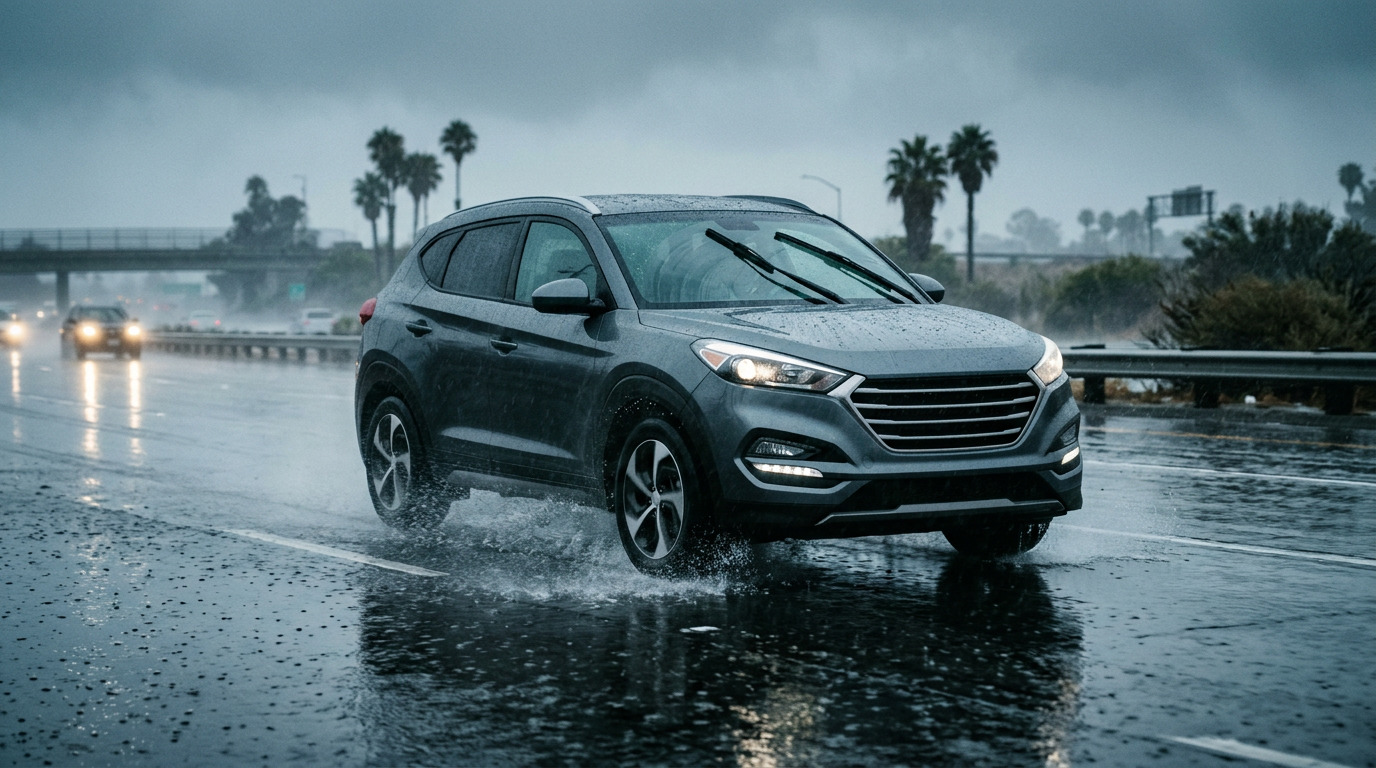
Southern California may conjure images of sunny skies and warm weather, but when storms roll in, roads in cities like Riverside and Moreno Valley can quickly become hazardous. Preparing your vehicle before heavy rain isn’t just smart — it’s essential for safety. Reduced visibility, slippery roads, and sudden downpours can turn a routine drive into a challenging experience. With preventive maintenance, you can ensure your car is storm-ready, improving safety while protecting your investment. Use this comprehensive checklist to stay ahead of the weather.
Why Every California Driver Needs a Storm-Ready Vehicle Checklist
When rain hits Southern California, it’s often sudden and heavy, creating conditions that can surprise even seasoned drivers. Wet roads reduce tire traction, increasing the risk of hydroplaning, while poor visibility from rain and fog adds another layer of danger. Riverside and Moreno Valley, in particular, experience intermittent storms that can lead to quickly changing road conditions.
Taking the time to inspect your vehicle beforehand can help you avoid accidents and costly repairs. Regular maintenance not only enhances your vehicle’s performance but also ensures you’re prepared when the skies open up. A little preparation can go a long way toward making sure you and your car stay safe during a storm.
Check Your Windshield Wipers and Visibility Before Heavy Rain
One of the most critical tools for storm safety is your windshield wipers. Worn or damaged wiper blades can leave streaks, chatter against the glass, or fail to clear rain effectively, drastically impacting your visibility. Signs that it’s time to replace them include skipping, squeaking, splitting, or leaving trails of water behind. If your wipers are past their prime, replacing them takes only a few minutes and can make a world of difference.
While at it, top off your windshield washer fluid and ensure your defogging or defrosting system works correctly to prevent foggy windows during rainfall. Don’t forget to check your headlights, taillights, and turn signals as well. Properly functioning lights not only improve your ability to see but also ensure other drivers can see you, a crucial factor in low-visibility weather.
Inspect Tire Tread and Pressure for Safer Wet-Road Driving
Your vehicle’s tires form the only connection between you and the road, making them vital for safe driving during storms. Tread depth directly affects how well your tires grip the road by channeling water away and reducing hydroplaning risk. Use the penny test to check your tread — if you can see the top of Lincoln’s head, it’s time for new tires. Uneven wear or visible damage also signals the need for attention.
Equally important is maintaining the manufacturer-recommended tire pressure. Tires that are over- or under-inflated can compromise your handling and traction in wet conditions. Remember to check tire pressure when the tires are cold for the most accurate reading, giving you peace of mind before a storm hits.
Make Sure Your Brakes Are Ready for Rainy Conditions
Responsive brakes are non-negotiable, especially on slick roads. Wet pavement can lengthen stopping distances, so your braking system needs to be in top form. Listen for squealing, grinding, or vibrations when applying the brakes — these noises often indicate worn pads or other issues. If your pedal feels spongy or requires extra effort, it’s time for a professional inspection.
Even with fully functioning brakes, good driving habits are essential during inclement weather. Allow for greater stopping distance and avoid abrupt braking, opting for smooth and controlled inputs instead. These small adjustments can help keep you safe while navigating Southern California’s wet roads.
Protect Your Vehicle’s Exterior and Stay Prepared for Storm Damage
Storms don’t only impact your vehicle’s performance; they can also take a toll on its appearance. Heavy rain, road debris, and mud can wear down paint protection, revealing scratches or chips that may worsen over time. Exposed areas are particularly vulnerable to moisture and corrosion, which can lead to bigger problems if left unresolved.
Before a storm, check your vehicle’s exterior for any existing damage, such as chipped paint or cracked body panels. Addressing these issues early prevents water from seeping into exposed surfaces. After the rain, clean off mud and contaminants to protect your vehicle’s finish.
If you notice scratches, peeling, or dings left behind by severe weather, Inland Empire Autobody & Paint offers professional repair and restoration services to get your car looking like new again. With convenient locations in Riverside and Moreno Valley, we’re here to help you preserve your vehicle’s value and ensure it’s ready to face future storms.
Final Thoughts
Preparing your vehicle for stormy weather is one of the best ways to ensure your safety and protect your investment. From inspecting windshield wipers and improving visibility to checking tires, brakes, and your vehicle’s exterior, this storm-ready vehicle checklist can help California drivers tackle rainy conditions with confidence.
Don’t wait for the storm to arrive to address potential issues. By performing these simple checks, you’ll be prepared for safer driving, no matter what the forecast holds. And when it comes to maintaining your car’s exterior and protecting its long-term value, trust Inland Empire Autobody & Paint for top-quality automotive body repair and paint restoration.
Bring Your Car’s Paint Back to Life with Inland Empire Autobody & Paint
Whether it’s fading, peeling, or scratches, our expert team is here to restore your car’s appearance and protect its value. Visit us at either of our convenient locations in Riverside or Moreno Valley, CA, and get your free estimate today.
📞 Riverside: (951) 637-1365 |
📞 Moreno Valley: (951) 465-7350
📧 Email us at info@ieabp.com — let’s get your car looking like new again.


