“My insurance company approved the estimate. Why isn’t my car ready to be repaired or picked up yet?” This is a common question we hear from vehicle owners after a collision. While the adjuster’s approval is an important step in the auto body repair process, it’s only the beginning. Restoring your car to its pre-accident condition involves a series of detailed and essential steps. Below, we’ll walk you through what happens after your insurance adjuster gives the green light on the initial estimate, from uncovering hidden damage to final quality control.
What Happens Immediately After Insurance Estimate Approval?
Initial estimate approval from your insurance company is an important milestone, but it doesn’t necessarily cover the entire scope of repairs. This approval simply verifies the damages identified during their preliminary assessment.
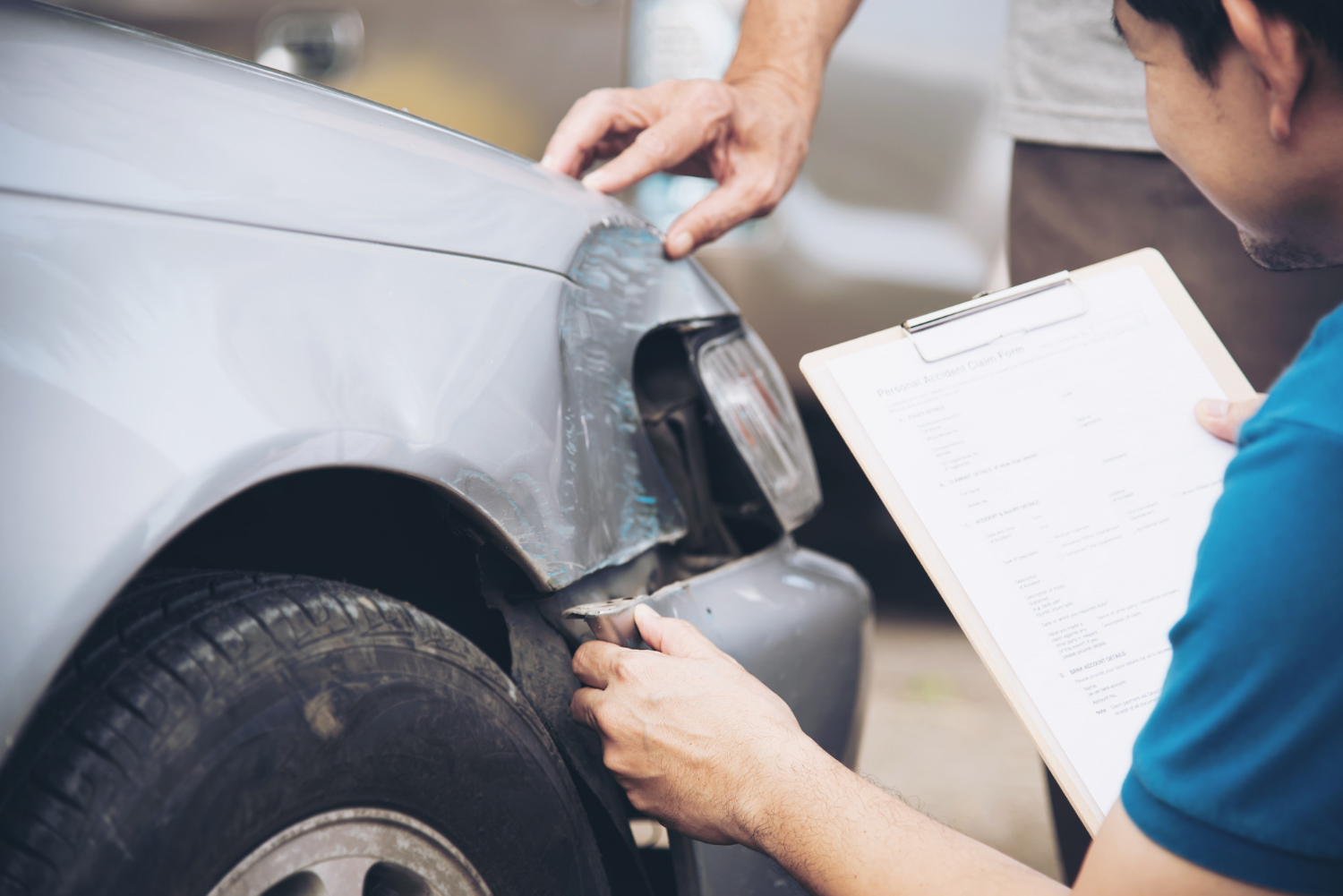
After the estimate is approved, the repair shop reviews it in detail and inspects your vehicle. At this stage, they may spot additional issues that weren’t initially visible. The shop will begin planning for necessary steps, ensuring the process moves forward efficiently. However, be prepared for additional steps if unexpected repairs are required during the next stages.
Vehicle Teardown, Hidden Damage, and Supplemental Estimates
Once the repair process begins, technicians perform a vehicle teardown to assess the full extent of the collision damage. Components such as bumpers, panels, and internal parts are removed to expose potential issues that were hidden during the initial inspection. For example, damage to the vehicle’s structural frame or internal components like the radiator may not be apparent without taking apart these exterior elements.
When hidden damage is discovered, the repair shop will document it thoroughly with photographs and detailed descriptions. This information is sent to your insurance company as a supplemental estimate for approval. While this step may add time to the process, it ensures all necessary repairs are accounted for. Supplemental estimates ensure that both you and your insurer are aware of the complete repair costs, protecting you from unexpected expenses down the road.
Parts Ordering and Repair Planning
Once the full extent of the damage is clear, the shop orders the needed replacement parts. High-quality collision repairs depend on getting the right parts, which are often sourced directly from manufacturers or trusted suppliers.
Parts availability can impact the timeline. If a specific part is back-ordered or requires special shipping, it may take longer to arrive. However, the repair shop uses this time to plan out each phase of the repair process, ensuring a seamless progression when all parts are on hand. This stage of repair planning ensures fewer delays and guarantees that the vehicle will be restored using the proper components and methods.
Structural Repairs, Bodywork, and Paint Restoration
With parts delivered and plans finalized, technicians tackle structural repairs and bodywork. This step often involves addressing frame alignment, welding, or replacing damaged sections of the vehicle. Restoring the structural integrity of your car is critical for its safety and performance on the road.
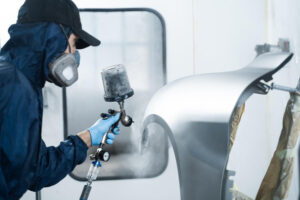
After structural repairs, focus shifts to the body. Panels are carefully repaired, dents are smoothed, and surfaces are prepped for painting. This is where artistry and precision meet science. Expert painters skillfully match the paint to your vehicle’s original color using advanced techniques and tools. A high-quality finish not only restores your car’s appearance but also protects it from further wear and tear.
Professional body shops take their time in this stage to ensure repairs are accurate and long-lasting, prioritizing quality over shortcuts.
Reassembly, Final Quality Control, and Vehicle Pickup
Once bodywork and painting are complete, technicians carefully reassemble your vehicle, reinstalling panels, bumpers, and other components with exacting care. Reassembly requires precision to ensure alignment and fit are flawless.
The shop conducts final quality control checks to confirm that your car meets high standards before it’s returned to you. Technicians inspect everything from the panel gaps to the paint finish and ensure all repaired components are functioning as they should. These thorough inspections guarantee that your car is safe, visually appealing, and road-ready.
When you come to pick up your vehicle, you can expect a repaired car that not only looks great but also drives as though the accident never happened.
Understanding the Process Builds Confidence
At Inland Empire Autobody & Paint, we understand that the collision repair process can feel overwhelming. That’s why we prioritize clear communication at every stage and handle all interactions with your insurance company. From uncovering hidden damage to performing professional repairs, our team works tirelessly to ensure your car is restored both in function and form.
Collision repair is about more than fixing what you see—it’s about safeguarding your vehicle’s longevity and value. With the steps outlined above, you can trust us to do the job right, taking the time to deliver the results you and your car deserve.
Bring Your Car’s Paint Back to Life with Inland Empire Autobody & Paint
Whether it’s fading, peeling, or scratches, our expert team is here to restore your car’s appearance and protect its value. Visit us at either of our convenient locations in Riverside or Moreno Valley, CA, and get your free estimate today.
📞 Riverside: (951) 637-1365 | 📞 Moreno Valley: (951) 465-7350
📧 Email us at info@ieabp.com — let’s get your car looking like new again.